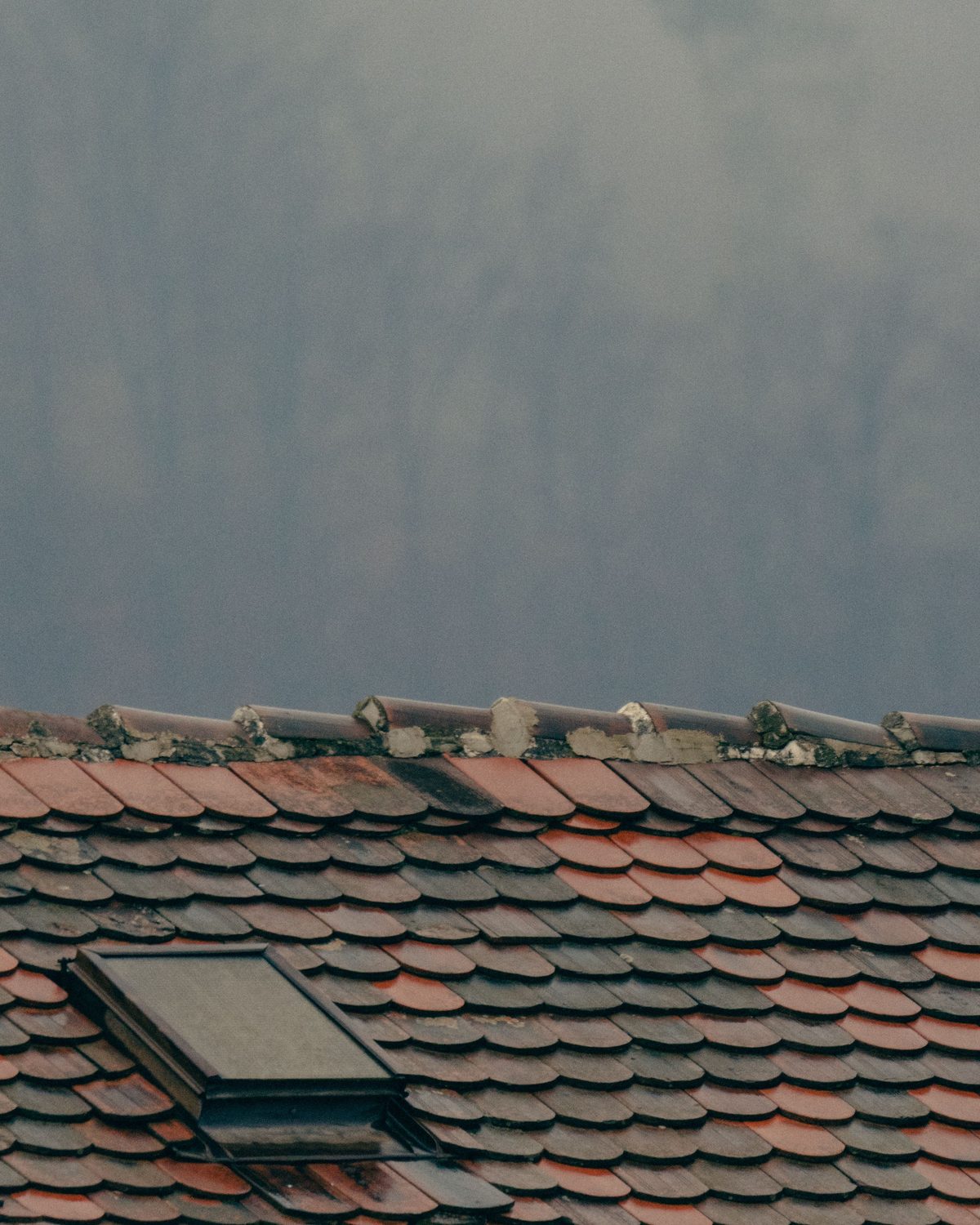
A 25 year old roof can usually still be insured. What changes at this age is not normally whether there is cover, but what the cover is worth and what conditions come with it. Carriers commonly move an older roof onto actual cash value, attach a payment schedule that pays a reducing proportion of replacement cost, ask for an inspection before binding, or decline to write new business on it at all.
That distinction matters more than the headline answer. A policy that lists the roof as covered and settles it after depreciation can leave an owner paying for most of a replacement themselves. Knowing which basis applies is a question you can answer today from your own paperwork, and it is the one that decides what a storm next year will actually cost you.
What tends to change at this age
- Settlement basis. The roof covering is moved to actual cash value, so depreciation is deducted before the deductible.
- A roof payment schedule. An endorsement pays a stated percentage of replacement cost based on age and material.
- Inspection conditions. A carrier may require a report before it will quote, or before renewing.
- New business appetite. Some carriers will keep an existing policy in force but will not take on the roof as a new risk.
- Deductibles. Separate wind and hail deductibles are common and are not affected by roof age, but they compound the effect of depreciation.
- Non renewal. Where condition is poor as well as age being high, a renewal may not be offered.
How those pieces interact is covered in more detail on roof age and home insurance, and the arithmetic of depreciation is set out in replacement cost against actual cash value.
Age is a proxy, not the whole question
| What the underwriter weighs | Why it matters at 25 years |
|---|---|
| Roof material | Tile, slate and metal are expected to outlast asphalt shingle |
| Documented condition | An inspection replaces an assumption with a record |
| Maintenance history | Repairs and upkeep show the roof has been managed |
| Prior roof claims | A claim history weighs heavily against an older roof |
| Local weather record | Appetite in hail and wind exposed areas tightens first |
| Photographic evidence | Aerial and satellite imagery is checked as a matter of course |
How a carrier works out the age
Owners are sometimes told their roof is older than they believe it to be. The figure an underwriter uses comes from whatever record is available: the date on the application, a permit filed for the last replacement, a prior inspection, or an estimate read from aerial imagery. Where a roof was replaced without a permit, or only partly replaced, the record and the reality can disagree.
That is worth correcting before it matters. If the roof is newer than the file says, the evidence is the invoice, the permit and the contractor’s warranty paperwork, and sending it to the carrier can change both the premium and the settlement basis. A partial replacement is harder, because a carrier is usually rating the oldest part of the covering rather than the newest.
Find out what your own policy says
Three things are worth locating in your documents. The settlement basis for the roof covering, which may differ from the basis for the rest of the dwelling. Any endorsement that refers to roof surfacing, which is where a payment schedule lives. And the wind and hail deductible, which is often separate and stated as a percentage of the dwelling limit. If those are not clear from the declarations page, ask your agent to point to the wording rather than summarise it.
What an owner can do
- Commission an inspection or certification and keep the report, so condition is documented rather than inferred from the date
- Keep invoices, permits and photographs for every repair
- Ask your agent to test more than one carrier, since appetite for older roofs varies
- Ask specifically whether the roof is on replacement cost, actual cash value or a schedule
- Price the replacement, and compare it against the premium difference and the exposure you are carrying
- Where cover has already been declined or withdrawn, getting insurance with a bad roof sets out the routes that remain
This site explains how policies and claims work and does not act for policyholders. Your own policy wording and your state’s rules decide the outcome, so confirm anything here against the documents you hold.
Where to go next
If a renewal has already been refused or is in doubt, cancelled because of the roof covers what happens next and what evidence changes the position. If you are deciding whether to replace now or document and wait, a roof certification inspection is the record most underwriters respond to, and it is also the document a later claim is argued from.
Common questions
Can you still insure a house with a 25 year old roof?
In most cases yes, though the field of carriers willing to quote narrows and the terms change. Some will write the policy with the roof settled on actual cash value, some will attach a payment schedule, and some will ask for an inspection before they agree to anything.
- Availability depends on carrier appetite in your area
- The roof covering may be settled differently from the rest
- An inspection may be required before binding
- Material and condition matter as much as the date
- An independent agent can test several carriers at once
Work through an agent who can approach more than one carrier, because appetite for older roofs varies widely and changes with conditions in a region. Have the documentation ready before you ask: the age, the material, any repairs, and an inspection or certification if you have one. A roof that is old but demonstrably sound is a different proposition from one with the same date and no information attached, and the underwriting answer often follows the paperwork rather than the year.
Does a 25 year old roof get paid at actual cash value?
Frequently, yes. Older roofs are commonly moved onto an actual cash value basis, which means depreciation for age and wear is deducted from the settlement. The policy pays what the roof was worth rather than what a new one costs, and the gap widens every year.
- Depreciation is deducted from the replacement figure
- The deduction grows as the roof ages
- Your deductible still comes off after that
- Some policies apply this to the covering only
- The declarations page states which basis applies
Find out which basis applies before anything happens rather than afterwards. It is stated on the declarations page or in an endorsement that refers to the roof surfacing, and it is the single line that decides what a claim is worth on a roof of this age. Owners are often surprised at claim time because the policy was bought on replacement cost terms years ago and moved to actual cash value for the roof at a later renewal, which is a change that arrives in the renewal paperwork rather than in a conversation.
What is a roof payment schedule?
An endorsement that sets out, by age and sometimes by material, the percentage of replacement cost the policy will pay for the roof covering. Instead of one rule for the whole policy, the roof is paid on a sliding scale that reduces as it gets older.
- The schedule is printed in the endorsement itself
- Percentages are set by age and often by material
- Tile and metal are sometimes scheduled differently
- It applies to the covering, not the whole dwelling
- It can be introduced at a renewal
Read the schedule rather than the summary, because this is the mechanism that most changes the economics of an older roof. The endorsement will show exactly what proportion is payable at the age your roof has reached, which lets you work out the real exposure before a storm does it for you. If the number is low enough that a claim would barely cover the deductible and the deduction, the roof has effectively become self insured and the replacement decision is a budgeting question rather than an insurance one.
What else does an underwriter look at besides the age?
Condition, material, documentation and claim history. Age is a proxy for condition and underwriters use it because it is easy to verify, but a roof with an inspection report, a maintenance record and no prior claims presents very differently from one with nothing but a date.
- Material lifespan varies widely between roof types
- Aerial and satellite imagery is used routinely
- Prior roof claims weigh heavily
- Documented repairs and maintenance help
- Local weather history affects appetite in your area
Tile, slate and metal roofs are expected to last far longer than asphalt shingle, so twenty five years means something different on each. Supply what the underwriter cannot see for themselves. A dated inspection report that records the condition of the covering, the flashings and the penetrations gives them something to underwrite other than an assumption, and it is also the document that supports your position if a later claim is met with an argument about wear.
Is it worth replacing the roof before shopping for a policy?
It can be, when the roof is the reason quotes are scarce or expensive. A new roof usually improves both availability and price, and it removes the actual cash value problem entirely. The sum worth doing is the premium difference against the cost, over the years you plan to stay.
- A new roof widens the carriers willing to quote
- It restores replacement cost terms on the covering
- Some carriers offer credits for impact resistant materials
- Tell your carrier once the work is done
- Keep the invoice and the permit
Do the arithmetic rather than assuming either way. Add the premium difference, the exposure you carry under a payment schedule, and the risk of non renewal, then set that against the cost of the work and how long you intend to own the house. Where the roof has years left in it, documenting its condition is the cheaper route. Where it is near the end anyway, replacing it before the next renewal cycle turns an underwriting problem into a planned expense.